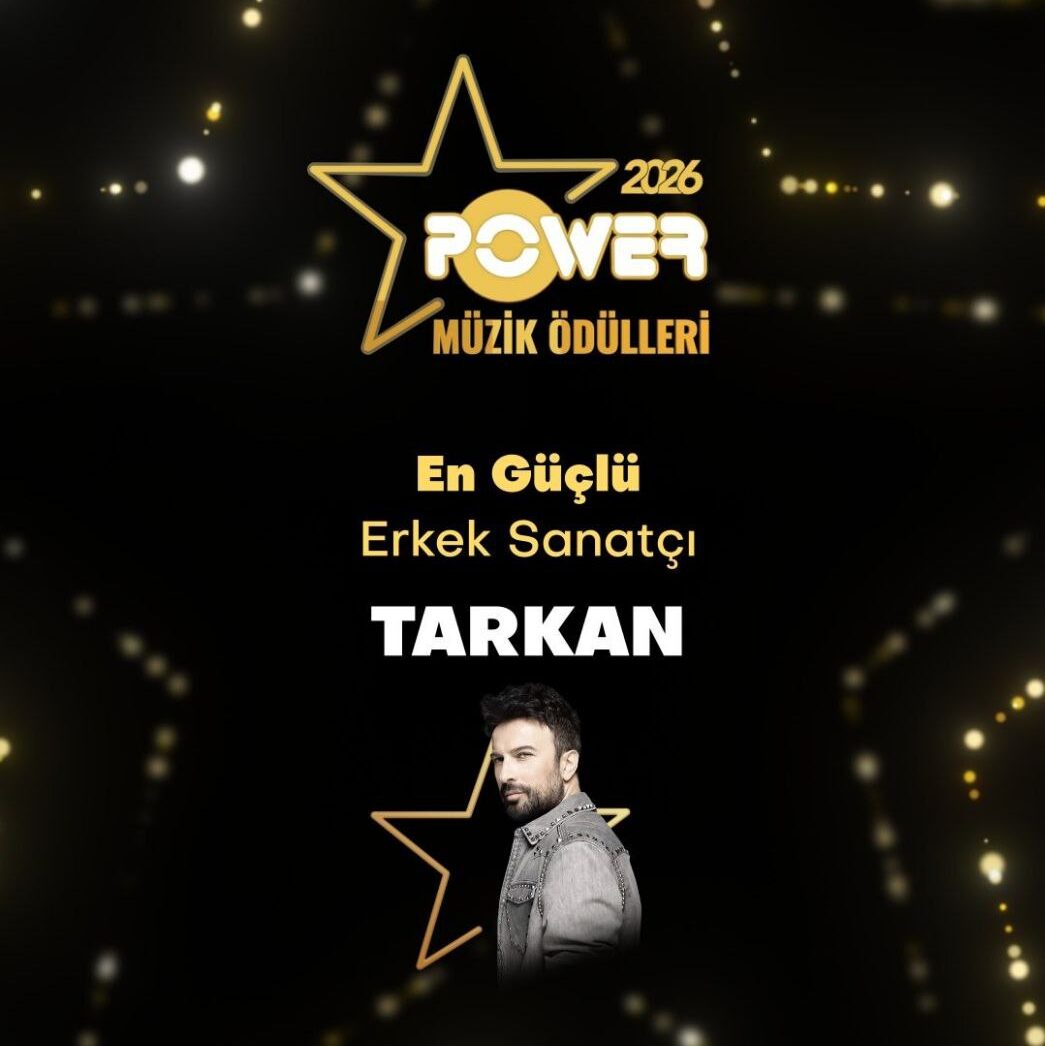
Tarkan’s Album Dünyayı sesiyle resmeden sanatçı. Her not, bir başyapıtThe artist who painted the world with his voice. Each note,
Turkish Music Classics Interpreted by Tarkan
This special section explores a different and deeply rooted facet of Tarkan’s talent: his masterful interpretation of traditional Turkish music classics. Beyond his pop successes that have made him an international megastar, Tarkan has demonstrated profound respect and an extraordinary ability to breathe new life into iconic songs that are part of Turkey’s cultural heritage.
Thank you for reading this post, don't forget to subscribe!Here you’ll discover how his unique voice and artistic sensibility blend with timeless melodies and lyrics, offering listeners a bridge between tradition and the present. Each song presented here is a tribute to the richness of Turkish music, reinterpreted with the passion and mastery that only Tarkan can infuse.
For more information about Tarkan’s career and upcoming projects, visit his official website.
Tarkan Collection: Buy CDs and Digital Listening

Leylim Ley
Tarkan, often celebrated as the “Megastar,” is a legendary figure in the world of pop music. With his enchanting voice and charismatic stage presence, he has captivated audiences worldwide. His fusion of traditional Turkish sounds with contemporary pop has not only redefined the music scene in Turkey but also earned him international acclaim. Hits like “Şımarık” also known as “Kiss Kiss,” have become anthems, showcasing his ability to transcend cultural boundaries. Tarkan’s influence extends beyond music, continually inspiring new generations of artists with his innovation and passion.
In August 2015, Megastar Tarkan performed a 10-day concert marathon at the Harbiye Open Air Theater. The excitement was at its peak: the first night of the marathon, the venue, which can host 7,000 people, was packed. Tickets for all seats, including the stairs, had sold out weeks in advance. Tarkan’s excitement and initial inhibition in the first part didn’t go unnoticed; in fact, he even admitted to being emotional.
The second part of the concert began with a segment Tarkan called “Respect to the Masters, Return to Self.” This time, Tarkan was accompanied by master Erkan Oğur and an orchestra composed of Turkish folk music instruments. Tarkan sang pieces like “Ne Ağlarsın,” “Allı Turnam,” “Uzun İnce Bir Yoldayım,” “Mihriban,” “Yalan Dünya,” and the beautiful song “Leylim Ley.” The ecstatic audience greatly appreciated this surprise, especially hearing Erkan Oğur’s bağlama accompanying Megastar Tarkan’s charismatic voice, which was a great pleasure for everyone.
“Leylim Ley” is a popular song taken from Zülfü Livaneli’s 1975 album titled “Eşkıya Dünyaya Hükümdar Olmaz.” The composition belongs to Zülfü Livaneli. The lyrics of the folk song, composed of three quatrains, are included in the short story “Ses” (Voice), which gave its name to Sabahattin Ali’s (1937) collection of short stories. The story’s hero, a road worker named “Sıvaslı Ali,” stands in front of his tent, plays the saz, and sings this folk song. Zülfü Livaneli stated that he was deeply impressed by the lyrics of this folk song while reading the story and thus decided to compose it.
Among the artists whose work has been performed is İbrahim Tatlıses. İbrahim Tatlıses’s “Leylim Ley” (1986) is a poetic expression of longing and love, using metaphors like ‘daldan kopan kuru yaprak’ (a dry leaf fallen from the branch) to convey the feeling of being adrift and yearning for connection.
Lyrics of the Song “Leylim Ley” – feat. Tarkan
I have turned into a dry leaf fallen from a branch Leylim Ley My dear morning breeze, scatter me, break me Leylim Ley Take my dust away from here Leylim Ley Take me to the bare feet of my love Tomorrow, let me rest on your bare foot. Leylim Ley Leylim Ley Leylim Ley Leylim Ley Leylim Ley
The moonlight strikes my saz Leylim Ley There’s no one who can speak over my words Leylim Ley Come, my dear with crescent eyebrows, onto my knees Leylim Ley Moon, hold me on one side and you, hold me on the other. Leylim Ley Leylim Ley Leylim Ley Leylim Ley Leylim Ley
I haven’t returned to my homeland for 7 years Leylim Ley I haven’t sought a confidant for my troubles Leylim Ley If you come, feel me with your heart. Leylim Ley Leylim Ley Leylim Ley Leylim Ley Leylim Ley
Glossary
- Leylim Ley: A typical expression in Turkish folk music and poetry, often used as a refrain or melodic interlude. It doesn’t have a direct literal translation but evokes a sense of melancholy, longing, and yearning, similar to an “oh my dear” or “oh my love” in a lyrical context, or simply as an evocative sound that accompanies the melody.
- Bağlama: A traditional Turkish plucked string instrument, similar to a long-necked lute. It is central to Turkish folk and classical music.
- Saz: A generic term referring to various plucked string instruments used in Turkish music, including the bağlama. It’s often used interchangeably with bağlama in folk contexts.
- “Tomorrow, let me rest on your bare foot”: This poetic phrase, from a text by Aşık Veysel, expresses a deep desire for humility and devotion. Symbolically, the speaker wishes to become so intrinsically connected to the beloved as to be part of the earth or dust that touches their bare foot, representing extreme intimacy and closeness.
- Ayın şavkı vurur sazım üstüne – “The moonlight strikes my saz”: This expression reflects a melancholic and emotional atmosphere. It describes a scene where moonlight hits the instrument and is often used to convey loneliness, sadness, or an inner emotional state. It’s a good example of the richness and depth of Turkish folk music.
- Söz söyleyen yoktur sözüm üstüne – “No one speaks over my words”: The meaning of this phrase can be interpreted as “There is no one who can speak about my words” or “No one can contradict what I say.” This verse contributes to the melancholic and introspective atmosphere of the song and emphasizes a person’s right to express their feelings and thoughts, or the absence of interlocutors.
- Ay bir yandan sen bir yandan sar beni – “Moon, hold me on one side and you, hold me on the other”: This verse reflects the general theme of the folk song: loneliness, longing, and the torments of love. The phrase “Moon, hold me on one side” expresses the desire to be embraced by the moonlight, while “You, hold me on the other side” expresses the desire to be embraced, protected, and comforted by a human lover.
- Dert ortağı aramadım derdime – “I haven’t sought a confidant for my troubles”: This means “I haven’t sought a solution to my problem” or “I haven’t told anyone about my problem.” It implies that the person does not share their difficulties or sadness with anyone and takes care of themselves, facing suffering in solitude.
- Geleceksen bir gün düşüp ardıma – “If one day you come after me, listen/feel me with your heart”: This expression means “If one day you come back to me, listen to me with your heart, not just with your ears.” This verse particularly emphasizes that love and understanding should be felt not only through the senses but also through a deep emotional and spiritual connection.
Bir Bahar Akşamı (One Spring Evening)
The song “Bir Bahar Akşamı” belongs to the legendary Turkish music composer Selahattin Pınar. This work by Pınar is the fruit of a hopeless love that deeply inspired him. The song, drawn from a poem by poet and lyricist Fuat Edip Baksı (“One spring evening I died because of you / I withered the last rose and buried it in my heart / I died for love, I died for love”), is known to reflect the profound emotional turmoil experienced by Selahattin Pınar.
According to the story, Pınar transferred into his music the moments when he often met Afife Jale, the first Muslim Turkish theater actress whom he deeply loved during his youth, on spring evenings. Unfortunately, this love ended in tragedy and left deep marks on Pınar’s inner world. The piece “Bir Bahar Akşamı” holds an important place not only in Selahattin Pınar’s life but also in Turkish music. This work perfectly reflects the musical understanding and emotional intensity of the period. The fluidity of Pınar’s music and Baksı’s masterful verses leave a profound impact on listeners. The song, which became synonymous with the vocal artist Müzeyyen Senar—who brought numerous compositions to life—has been interpreted by many artists over the years. Pınar’s work is considered a timeless classic and one of the most precious pieces of Turkish music.
Megastar Tarkan sings the track with his unmistakable voice, vocal power, and the emotion and passion he infuses into every note.
Translated Lyrics of the Song “Bir Bahar Akşamı”
One summer afternoon I found you
One summer afternoon I found you
To look deeply into your eyes is a joy-filled emotion.
To look deeply into your eyes is a joy-filled emotion.
Why did you lower your head? Why did you lower your head?
An old desire awakens within me.
An old desire awakens within me.
For years you were the person I was looking for… now I have no strength left.
Where have you been all this time?
Where have you been all this time?
Link video “Bir Bahar Akşamı” – Megastar Tarkan
Ne Ağlarsın (Why Do You Cry?)
In August 2015, Megastar Tarkan performed a 10-day concert marathon at the Harbiye Open Air Theater. During this event, Tarkan was accompanied by master Erkan Oğur and an orchestra composed of traditional Turkish folk music instruments. Among the songs performed, Tarkan also sang “Ne Ağlarsın.”
“Ne Ağlarsın” is a beloved piece and part of the Turkish folk music repertoire, written and composed by Aşık Daimi. It’s one of those songs that bear the heart’s burdens. The song is known for the line, “This too shall come, this too shall pass, do not cry,” which serves as a reminder that pain and difficulties are temporary and that with patience, everything will resolve itself. More than just a folk song, this piece offers a profound philosophy of life. It touches the hearts of listeners by exploring universal themes like patience, hope, and faith.
The song’s story originates from the desperate weeping of Aşık Daimi’s wife, Gülsüm, after their son Kazım’s execution. The song narrates how tears can reach the heavens, how spring follows winter, and how patience can overcome any adversity. The lyrics and composition of the song entirely belong to Aşık Daimi, making it a deeply personal and significant work within the landscape of Turkish folk music.
Translated Lyrics of “Ne Ağlarsın”
Why do you cry, dark curls?
This too shall come, this too shall pass, do not be sad.
My lament has reached the sky, this too shall come, this too shall pass.
A rose is surrounded by thorns and difficulties.
A nightingale dies with a sigh from the hand of the rose.
After all, the end of winter is spring. This too shall come, this too shall pass.
Not every soul can understand this secret.
Job went to Egypt with patience.
I became a sheep and cried behind them.
This too shall pass, do not cry.
Glossary
- Bu da gelir bu da geçer ağlama – “This too shall come, this too shall pass, do not cry”: This proverb tells us that difficult times are temporary and that we should not despair. This phrase is a common piece of advice in Turkish folk literature. It’s used to encourage people to be more patient and to keep their spirits high, especially in the face of difficulties and adversities.
- “My dear, not every soul can understand this secret”: This line indicates that the “secret” in question is too profound and mysterious for everyone to comprehend.
- “Job went to Egypt with patience”: This refers to the patience of the Prophet Job. Despite great difficulties, Job persevered and eventually found relief. This emphasizes the importance of patience in the face of adversity.
- “I became a sheep and cried behind them”: Aşık Daimi states that he cries helplessly like a sheep, meaning he experiences pain. This reflects the helplessness and sorrow people feel when facing the difficulties they encounter.
- “This too shall come, this too shall pass, do not cry”: This last part conveys the most important message: it tells us that everything is temporary, that both pain and happiness come to an end, and therefore there’s no need to cry. This quatrain can be read both as a confession of pain and a phrase of consolation. While Aşık Daimi expresses his suffering, he also instills patience and hope in his listeners.
Link video live “Ne Ağlarsın” from the stage Harbiye Açıkhava Tiyatrosu, Megastar Tarkan
Allı Turnam (My Vivid-Colored Crane / Crimson Crane)
In August 2015, Megastar Tarkan performed a 10-day concert marathon at the Harbiye Open Air Theater, where he paid tribute to Turkish music classics. Among the songs he performed was “Allı Turnam,” a traditional Turkish folk song originating from Kırıkkale. It’s often associated with the bağlama (a long-necked lute) and sung with a deeply melancholic tone. Its title translates to “Colorful Crane” or “Crimson Crane.”
The song tells the story of a crane, a bird with strong symbolic value in Turkish culture. In folk literature, the crane represents the beloved, a messenger, and even a divine symbol, held as sacred. As a migratory bird, it’s frequently used in folk songs as an emblem of novelty and travel.
The lyrics of “Allı Turnam” often express universal themes like love, separation, and the difficulties of a journey, with the crane serving as a messenger or a symbol of the beloved. A touching example is the dialogue that gives rise to the piece: the singer, burdened by the weight of exile and looking nostalgically at their homeland, sees a crane flying in the sky and asks it, “My vivid-colored crane, why do you wander in the air?” The crane replies, “My wing is broken, I am stuck here,” and so the dialogue continues, transforming into the song of every person suffering the pain of exile.
The song is known for its evocative imagery and heartfelt expression of emotions. The “Crimson Crane” is depicted as a weary traveler, likely grappling with dangers and obstacles, mirroring the emotional state of the singer, separated from their beloved. The repetition of phrases like “Gülüm gülüm, kırıldı kolum” (My rose, my rose, my arm is broken) and “Tutmuyor elim, turnalar hey” (My hand doesn’t hold, cranes hey) emphasizes pain and longing.
Various artists have performed and reinterpreted “Allı Turnam,” with some versions including variations in lyrics and musical arrangement. Neşet Ertaş is cited as one of the most renowned interpreters of this piece. His version tells a story of love and longing, using the red crane as a metaphor for a beloved who is out of reach, evoking feelings of sadness and melancholy. Its enduring popularity reflects its powerful ability to convey universal themes such as love, loss, and the human experience.
Translated Lyrics of “Allı Turnam”
My dear vivid-colored crane, what are you doing in the air? My dear vivid-colored crane, what are you doing in the air? My flower, my flower, my wing is broken, I’m stuck here, my wings don’t hold, hey crane.
What a pity to have become a misunderstood servant in the world. What a pity to have become a misunderstood servant in the world. It’s evening, my dear crane, return, return. My flower, my flower, my wing is broken, my wings don’t hold, hey crane.
Oh my flower, my flower, my love, my flower. My dear girl, my flower, hey crane.
My dear Crane, reach our land, My dear Crane, reach our land, Tell of sugar, of clotted cream, and of honey. My flower, my flower, my wing is broken, My wings don’t hold, hey crane.
If someone asks about us, If someone asks about us, Tell them, my love, that I have a bowed neck and a pale face. My flower, my flower, my wing is broken, My wings don’t hold, hey crane.
Link video Alli Turnam live Megastar Tarkan Harbiye 2015
Mihriban
“Mihriban” is an iconic piece of Turkish folk music, whose story is rooted in a deep and moving tale of love. Its origin lies in the eponymous poem, written by the celebrated poet and writer Abdurrahim Karakoç, a native of Kahramanmaraş. This poem later became a widely popular song thanks to the masterful composition by Musa Eroğlu, remaining one of the most listened to and beloved pieces today.
The true story behind the poem “Mihriban” was revealed by Abdurrahim Karakoç’s eldest nephew, Oğuz Karakoç, who aimed to debunk numerous misconceptions and erroneous interpretations circulating online and in television productions. According to Oğuz Karakoç, the poem stemmed from an exchange of letters between Abdurrahim Karakoç and the woman he deeply loved in the 1960s. Despite its fame, the poet maintained absolute discretion about the identity and details of this love, keeping it buried in his heart until his death.
Oğuz Karakoç emphasized that his uncle’s love was not a fleeting affair but a mutual and lasting affection, born from an encounter at a tourist event in Southern Anatolia and continued through an exchange of letters and poems. In an interview, Abdurrahim Karakoç himself hinted at Mihriban, saying: “She would write me letters, and I would send my poems to the newspapers in her area. She followed me through my poems.” It was Mihriban who posed the question, “Is it easy to forget?”, to which the poet responded with the famous line from his poem: “Don’t say ‘It’s easy to forget, Mihriban, you will forget.'” This exchange highlights the depth of their bond, even though it was not destined for a traditional conclusion.
“Mihriban” is thus much more than just a song; it’s a reflection of a pure and immortal love, a work that touches the deepest chords of the soul, exploring themes of longing, memory, and an affection that transcends time and circumstances. Its melancholic melody and heartfelt verses make it a timeless masterpiece of Turkish music.
Megastar Tarkan, with his unmistakable voice and his ability to infuse emotion into every interpretation, has helped keep the magic of “Mihriban” alive, bringing this classic to an even wider audience and demonstrating his profound respect for Turkish musical heritage.
Translated Lyrics of the Song “Mihriban”
You tied my wild heart to your blonde hair, It cannot be untied, Mihriban. Don’t deem death more difficult than separation, you don’t feel it until you see it, Mihriban.
When I say “My dear,” the pen falls from my hand, My eyes can’t see, my mind is confused. The flickering flame in the lamp grows cold. Love cannot be written on paper, Mihriban.
First flirtation, then words, and finally deceit. The beloved makes the lover the subject of gossip. Even if years and centuries change, The old traditions (of love) do not break, Mihriban.
Doctors have no cure for my wound. When love touches you, don’t look beyond it. Everything has an end, but No boundaries can be drawn for love, Mihriban.
In vain the nightingale is tied to its rose, If you place snow on love’s ashes, it will turn into embers. I am amazed by the resilience of my dark fate. If I struck it against a stone, it wouldn’t shatter, Mihriban.
The meaning of love defies description, Only those who experience it know this sorrow and pain. It’s a blind knot from beginning to end, I couldn’t untie it, it won’t untie, Mihriban.
Glossary
- “It’s difficult to remember death because of separation, Mihriban, you don’t feel it when you don’t see it”: This verse, from the famous folk song “Mihriban” written by Abdurrahim Karakoç and composed by Musa Eroğlu, expresses how profoundly separation can affect a person. Its difficulty can be as great as a pain like death, and this suffering can only be fully understood when experienced firsthand. The line “Mihriban, if you don’t see it, it’s not felt” emphasizes that the pain of separation cannot be fully perceived by others unless one lives through it directly.
- “In vain the nightingale is tied to its rose, if you place snow on love’s ashes, it will turn into embers”: This verse expresses that, just as a nightingale clings in vain to a rose, love can also be unrequited and painful. It also highlights that even if covered with snow (a symbol of cold or oblivion), the ashes of love will continue to burn like embers, indicating the unquenchable intensity and impossibility of extinguishing love’s fire. The nightingale’s love for the rose is a classic symbol of unrequited love in folk literature.
Link video Harbiye Theater Megastar Tarkan live ‘Mihriban’
Yalan Dünya (The World of lies)
In August 2015, Megastar Tarkan performed a 10-day concert marathon at the Harbiye Open Air Theater. The second part of these concerts opened with a section Tarkan called “Respect to the Masters, Return to Self.” On this occasion, Tarkan was accompanied by master Erkan Oğur and an orchestra composed of traditional Turkish folk music instruments. Among the songs performed, Tarkan sang classics like “Ne Ağlarsın,” “Allı Turnam,” “Uzun İnce Bir Yoldayım,” “Mihriban,” and the beautiful “Leylim Ley,” also including “Yalan Dünya.” The ecstatic audience greatly appreciated this surprise, and hearing Erkan Oğur’s bağlama accompanying Megastar Tarkan’s charismatic voice was a great pleasure for everyone.
“Yalan Dünya” is a masterpiece by the legendary Neşet Ertaş, the “Plectrum of the Steppe,” who used the pseudonym “Garip” (the Poor/the Stranger) in his folk songs. The lyrics of this folk song entirely belong to Neşet Ertaş himself. The inspiration for the piece came in response to questions he had posed during a meeting, focusing on the world situation and financial difficulties.
The song deeply reflects on the disillusionment and pain experienced in a world perceived as full of falsehoods and broken expectations. Using the metaphor of a fading world, “Yalan Dünya” conveys a sense of loss and the awareness of life’s transience. It explains that the world is temporary, that everything will vanish, that one will be left with nothing, and that money and wealth are worthless due to their ephemeral nature.
In Anatolia, people played the saz and sang folk songs to express their problems, desires, and aspirations. They either buried their problems deep within themselves or expressed them through these songs. Neşet Ertaş, with works like “Yalan Dünya,” continues to win the hearts of the Anatolian people, and his name is kept alive in numerous cultural and artistic centers.
Megastar Tarkan, by performing “Yalan Dünya,” pays homage to this profound message, infusing the piece with his vocal power and heartfelt emotion, allowing a new audience to connect with the wisdom and melancholy of this immortal classic.
Translated Lyrics of the Song “Yalan Dünya” (Deceptive World)
Have you always cried, have you always suffered? I haven’t laughed either, in this deceptive world. Did you think I was happy as I wished? In this world that stole my life in vain. Ah, deceptive world, deceptive world, World that smiles falsely at me.
You cried, my dear, while I burned. I thought the world would be as I wanted. I was deceived in vain, I was fooled in vain, In this world that has faded in my heart. Ah, deceptive world, deceptive world, World that smiles falsely at me.
I know you have no flaws, my love. My dreams for you were many. Fate became a cloud and rained down on me. In this world where tears fill my eyes. Ah, deceptive world, deceptive world, World that smiles falsely at me.
I have no appetite left, neither for food nor drink, no pleasure. Like a poor nightingale, only my lament remains. Alas, I haven’t realized my desires. In this world where I leave, and others remain. Ah, deceptive world, deceptive world, World that smiles falsely at me.
Link Video Megastar Tarkan live Yalan Dünya Harbiye 2015
Glossary
- “The sky became a cloud and rained down on me”: This is a Turkish idiom often interpreted as, “Fate struck me like a dark cloud, misfortunes followed one after another.” This expression is used to describe the difficulties, problems, or negative events a person experiences. It emphasizes the aspect of destiny, fortune, or life that places people in difficult situations. The phrase “clouds rained down on me” describes these difficulties as if they are pouring down constantly and heavily like rain, highlighting the multiplicity and severity of the challenges one faces.
- “Like a poor nightingale, only my lament remains”: This is an expression where a person describes their loneliness, helplessness, and problems by comparing them to the song of a nightingale. This verse conveys the “deceptive world” and the pain that permeates it, which constitutes the main theme of the song. The nightingale is often used in Turkish folk music as a figure suffering from loneliness, love, and separation. In this verse, the character cries out loudly, like a nightingale, and this cry is conveyed as an unceasing pain. It’s a verse rich in powerful imagery within the folk song “Ah Yalan Dünya,” expressing that the person’s cry of loneliness and sorrow still continues.
Uzun İnce Bir Yoldayım (On a Long, Narrow Road)
“Uzun İnce Bir Yoldayım” is one of the greatest masterpieces by the Turkish folk poet and philosopher Aşık Veysel Şatıroğlu. This song, which transcends simply being a musical piece to become a true anthem to life and mortality, is considered one of the cornerstones of Turkish folk literature and music.
The Profound Meaning of the Song: The song is a deep existential meditation on the human condition. The “long and narrow road” is a metaphor for life itself—an individual and solitary journey that each of us undertakes from birth until death. Through simple yet incredibly powerful verses, Aşık Veysel expresses his personal path, the awareness of life’s brevity, and the search for meaning in a transient world. Despite the inherent melancholy of the theme, the song also conveys a sense of acceptance and profound wisdom.
Aşık Veysel: The Blind Master: Born in 1894 and passing in 1973, Aşık Veysel lost his sight at a young age due to smallpox. Despite this adversity, or perhaps because of it, he developed incredible sensitivity and spiritual depth, which he poured into his poetry and music, playing his saz (bağlama). His works are imbued with themes such as love for nature, social justice, tolerance, and the awareness of death, making him a universal figure recognized not only in Turkey but also internationally.
Tarkan’s Interpretation: Megastar Tarkan has paid homage to this immortal classic on various occasions. Notably, he included it in his “Dudu” album (2003) and also performed it during his 10-day concert marathon at the Harbiye Open Air Theater in 2015, accompanied by master Erkan Oğur and an orchestra of folk instruments. His interpretation of “Uzun İnce Bir Yoldayım” is remarkable for its ability to infuse new life and contemporary resonance into such a traditional piece. Tarkan, with his powerful voice and emotional delivery, successfully conveys the philosophical depth of the song, connecting Aşık Veysel’s wisdom with the sensibilities of a modern audience. His version respects the original essence while adding a personal touch that amplifies its emotional reach.
“Uzun İnce Bir Yoldayım” remains a symbol of the resilience of the human spirit and the beauty of Turkish folk poetry—a timeless classic that continues to speak to the heart of anyone on their own “long and narrow journey.”
Translated Lyrics of the Song “Uzun İnce Bir Yoldayım”
I am on a long, thin road, I walk day and night. I don’t know what state I am in. I walk day and night, day and night.
The moment I came into the world, I also entered a two-doored inn. I go day and night, day and night. In a two-doored inn, I go day and night, day and night.
If you think deeply about it, when you see it, it seems far away, The journey lasts but a minute. I walk day and night, day and night.
Veysel is surprised by this situation. Sometimes he cries, sometimes he laughs. I am going towards the destination to reach it, day and night, day and night.
Link video Megastar Tarkan Live Uzun İnce Bir Yoldayım Harbiye Theater (2015)
Glossary
- “In a two-doored inn”: This expression, used in Aşık Veysel’s folk song “I am on a long, thin road,” represents a metaphor symbolizing the transition between earthly life, birth, and death. This phrase describes the world as a mortal place where people come and go, like an inn, a temporary resting place. Aşık Veysel’s lyrics, “In a two-doored inn / I go day and night,” emphasize that life is in continuous flux, and human beings journey within this flow from birth to death. Since an inn is a temporary resting place, the world is also considered a temporary stop for human beings. This metaphor powerfully expresses humanity’s existence in this world and its confrontation with death. This expression also explores the theme of the transience of earthly life and the inevitability of death. People come into the world and then leave it, showing that life is a cycle and death is a natural part of this cycle. The “two-doored inn” metaphor is a powerful expression, often used in Turkish folk literature and music, and carries a meaning that seeks answers to fundamental questions about human life.
- “If you think deeply, it seems far when you see it”: This verse, from Aşık Veysel’s folk song “I am on a long, thin road,” expresses that when one reflects deeply on life and the journey, initial distances actually become closer. Explanation: This quatrain reflects Aşık Veysel’s philosophy of life and his concept of the journey. Here’s how it presents:
- “If considered deeply”: When topics such as the meaning of life, human existence, and the journey are considered in depth.
- “When you see it, it seems far away”: Goals that initially appear distant and difficult, in reality become more achievable as one gets closer.
- “The journey lasts but a minute”: The journey of life is perceived as a brief period of time, akin to a minute. This quatrain describes the challenges encountered on life’s path and the process of overcoming them. It emphasizes that as one approaches goals that initially seem daunting, the potential to reach them increases, and that life is, in reality, a brief journey.
- “Veysel is surprised by this situation, sometimes he cries, sometimes he laughs”: This verse expresses a state of confusion about what to do, stemming from both sadness and joy. Explanation:
- Şaşar Veysel (Veysel is surprised): It states that Aşık Veysel was surprised by the situation and didn’t know what to do. This state, where he can both cry and laugh, expresses contradictory emotions.
- “Sometimes crying, sometimes laughing”: This indicates that a person’s mood can continuously change and that they are in a fluctuating emotional state.
- Meaningful Integrity: This verse is part of the “worldly life” theme explored by Aşık Veysel. It emphasizes that human life can be turbulent, contradictory, and sometimes incomprehensible. In this verse, Aşık Veysel simultaneously experiences worldly and otherworldly emotions, expressing the complexity of life and the contradictions of human nature.