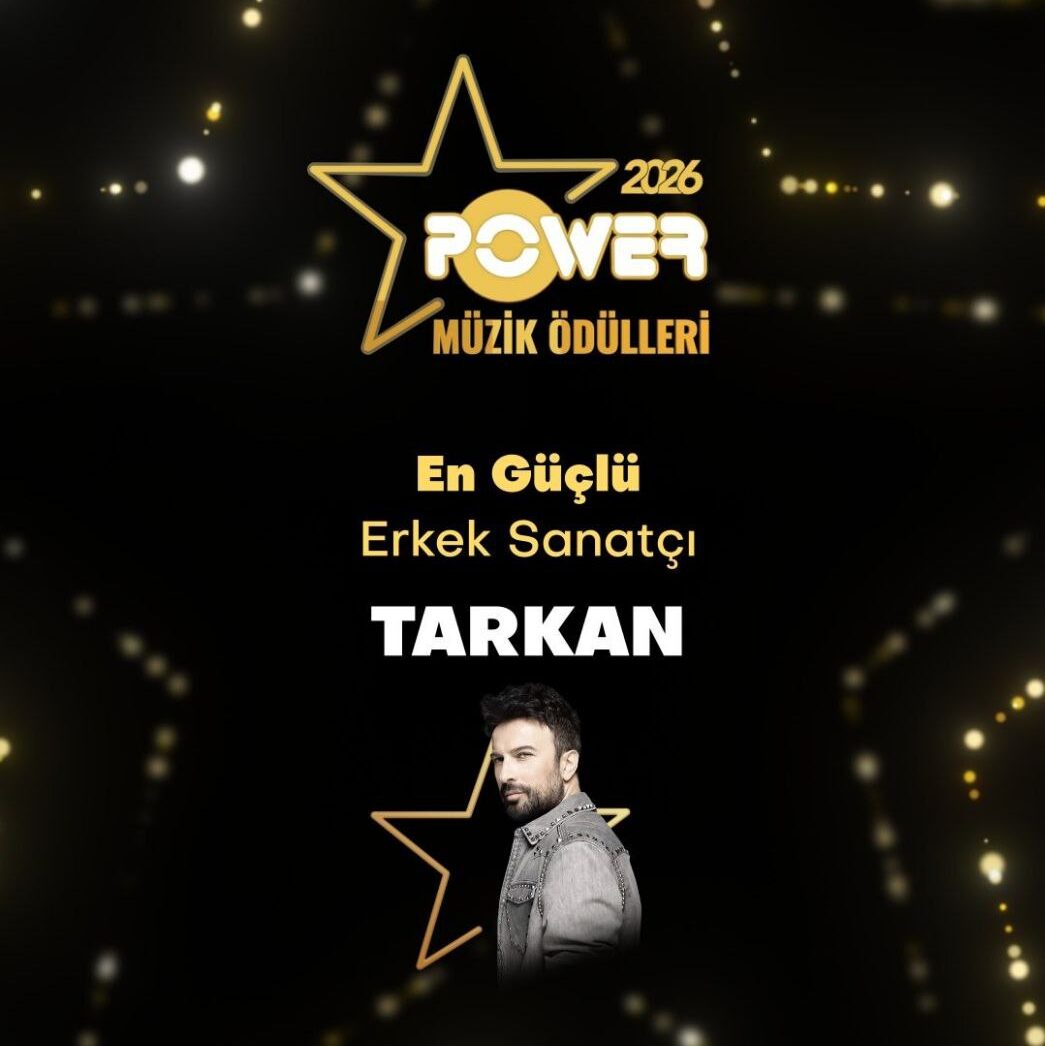
Tarkan’s Album Dünyayı sesiyle resmeden sanatçı. Her not, bir başyapıtThe artist who painted the world with his voice. Each note,
Tarkan a Bridge Between Generations

Tarkan, the Megastar of Turkish pop music, is far more than just an interpreter of contemporary hits. His deep connection with the rich heritage of classical Turkish music makes him a unique artist, capable of honoring tradition and making it accessible to a modern and international audience. Through his interpretations, Tarkan not only preserves the beauty of these timeless works but also infuses them with new life, creating an emotional bridge between past and present.
Thank you for reading this post, don't forget to subscribe!His dedication to this genre culminated in the album “Ahde Vefa” (2016), a project entirely devoted to Turkish classical music, which further solidified his role as a guardian and innovator.

For more information about Tarkan’s career and upcoming projects, visit his official website
Tarkan Collection: Buy CDs and Digital Listening
Below is a selection of some of the magnificent Turkish classical music pieces that Tarkan has interpreted, with deeper insights into particularly significant works:
| Song | Composer | Lyricist | Maqam | Usûl | Album di Riferimento | ||
| 1 | Dönülmez Akşam Ufkundayız | ||||||
| 2 | Dertliyim Ruhuma Hicran | Sâdettin Kaynak | Vecdi Bingöl | Segâh e Nihâvend | |||
| 3 | Enginde Yavaş Yavaş | Ahde Vefa | |||||
| 4 | Rüya Gibi Uçan Yıllar | Avni Anıl | Rüştü Şardağ | Hicâz | Curcuna | ||
| 5 | Gülsen-i Hüsnüne | ||||||
| 6 | Bir Bahar Akşamı | ||||||
| 7 | Fasıl | ||||||
| 8 | Tuti Mucize-i Guyem | ||||||
| 9 | Duydum ki Unutmuşsun | ||||||
| 10 | Benzemez Kimse Sana | Müzeyyen Senar ile Bir Ömre Bedel |
| 11 | Ben Nasıl Yanmayayım Dağlar |
Rüya Gibi Uçan Yıllar
Work Imprint:
- Composer: Avni Anıl
- Lyricist: Rüştü Şardağ
- Maqam: Hicâz
- Usûl: Curcuna
- Form: Şarkı (Song)
Review: “Rüya Gibi Uçan Yıllar” (Years That Flew Like a Dream) is a Turkish music classic, a şarkı that captivates with its nostalgic melody and melancholic lyrics. Composed by the master Avni Anıl with poetic words by Rüştü Şardağ, its structure in the Hicâz maqam evokes a profound sense of regret and sweetness. The Curcuna usûl (a lively rhythm that here adapts to the inherent sadness of the piece) punctuates its flow like a surfacing memory. It’s a reflection on the inexorable passage of time, vanished dreams, and the fleeting beauty of life. Its emotional resonance has made it a beloved piece, reinterpreted by generations of artists. Tarkan, with his unique sensitivity, has brought new light to this gem, highlighting its delicacy and emotional power, making it a special moment in several of his performances and confirming his ability to bridge tradition and modernity.
Original Lyrics (Turkish):
Rüya gibi uçan yıllar Birer birer geçti gitti Aşkımıza yanan güller Solar gibi geçti gitti
Geriye ne kaldı sanki Bir avuç dert, bir avuç gam Bu dünyada bana ancak Bir avuç gözyaşı kaldı
Ne kederli ne gamlı Ne çaresiz bir halim var Ne kadar da severmişim Benden kaçan bu zalimi
Translation (English):
Years That Flew Like a Dream
The years that flew like a dream, One by one, passed and are gone. The roses that burned for our love, Passed and are gone as if they withered.
What’s left, really? A handful of worries, a handful of sorrow. In this world, only A handful of tears remain for me.
What a sorrowful, what a gloomy, What a hopeless state I am in. How much I loved This cruel one who eludes me.
HANİ O BIRAKIP GİDERKEN SENİ (Veda Busesi)
Work Imprint:
- Composer: Yusuf Nalkesen
- Lyricist: Orhan Seyfi Orhon
- Maqam: Muhayyer Kurdî
- Usûl: Semâî
- Form: Şarkı (Song)
Review: “Hani O Bırakıp Giderken Seni,” more commonly known as “Veda Busesi” (The Farewell Kiss), is a cornerstone of classical Turkish music, a şarkı that encapsulates the essence of melancholy and detachment. Composed by Yusuf Nalkesen based on an exquisite poem by the late Orhan Seyfi Orhon, the song shines in the Muhayyer Kurdî maqam, a scale that evokes feelings of sadness and resignation. The Semâî usûl lends a rhythm that, while defined, allows the melody to flow gracefully, amplifying the pathos of the words. Nalkesen’s own anecdote, revealing that after performing “tens of thousands of songs,” he timidly revealed himself as the composer of this piece, underscores the profound personal resonance and immediate popularity of a work destined to become eternal.
Tarkan, with his interpretation featured in the album “Ahde Vefa” (2016), paid a magnificent tribute to this masterpiece. His voice adds layers of emotion and modernity while respecting its classical soul, once again demonstrating his mastery in connecting generations and musical genres, and bringing this “farewell kiss” to an even wider audience.
Original Lyrics (Turkish):
Hani o bırakıp giderken seni Bu öksüz aşklara veda busesi Yalnızlıklar içinde kaybolurken Dudaklarımdan uçan son hevesi Veda busesi
Gözlerim yaşlarla dolarken senin Elveda derken ki son nefesin Sanki bir yıldız kaymış gibiydin Yıkılan dünyamda son bir nefesdin Veda busesi
Yine yalnızlıklar içinde Bir an arar gözlerim seni Umutsuzlukla dolu içimde Aşkımızdan kalan tek hecesi Veda busesi
Translation (English):
The Farewell Kiss (Literally: “When He/She Left You Going Away”)
Remember, when I left you going away This farewell kiss to orphaned loves While getting lost in loneliness The last desire that flew from my lips The farewell kiss
While my eyes filled with tears for you Your last breath as you said goodbye You were like a falling star The last breath in my ruined world The farewell kiss
Again, amidst loneliness For an instant my eyes search for you Inside me, full of despair The only syllable remaining from our love The farewell kiss
Dertliyim Ruhuma Hicran – Also known as “I’m Sorry, Leyla”
Work Imprint (Credits):
Composer: Sâdettin Kaynak
Lyricist: Vecdi Bingöl
Maqam: Segâh and Nihâvend
Usûl: Düyek
Form: Şarkı (Song Form)
Explanation of the Title:
“Dertliyim Ruhuma Hicran” is a line from a Turkish song that translates to “I am distressed, exile is in my soul” or “I have sorrow, exile is in my soul.” The verse expresses a deep feeling of sadness and inner suffering, linked to the sensation of being exiled or far from something dear, which could be a place, a person, or a state of mind. The piece is also affectionately known as “Mi dispiace Leyla” (I’m Sorry, Leyla), from the name that recurs in the lyrics, personifying the pain and longing.
Review:
“Dertliyim Ruhuma Hicran” is a masterpiece of Turkish classical music that stands as an anthem to melancholy and emotional depth. Composed by the legendary Sâdettin Kaynak with the pathos-filled words of Vecdi Bingöl, this şarkı weaves a narrative of pain and longing. Its structure moves between the maqam Segâh and Nihâvend, creating an atmosphere of poignant beauty and resignation. The usûl Düyek, with its measured pace, amplifies the sensation of time suspended in lament. The piece is a journey into the afflicted soul of one who feels exiled from their love, an ode to the suffering that absence can inflict, personified in the lament for “Leyla.”
Tarkan’s interpretation lends new life to this classic. His powerful voice and innate sensitivity manage to capture every nuance of this universal sorrow while preserving the piece’s traditional soul. Tarkan once again demonstrates his extraordinary ability to connect the glorious past of Turkish music with the present, making this gem accessible and deeply moving for a global audience.
Original Lyrics (Turkish):
Dertliyim rûhuma hicrânımı sardım da yine
İnlerim şimdi uzaklarda solan gün gibiyim
Gecenin rengini kattım içimin matemine
Sönen ümid ile günden güne ölgün gibiyim
Bahtımın yıldızı sanmıştım seni
Sensiz karanlıktır her günüm Leylâ
Ayrılık mecnuna döndürdü beni
Dertliyim yürekten üzgünüm Leylâ
Sevdâ yaman bir çile çekenler düşer dile
Ayrılık ölüm gibi giden gelmiyor Leylâ
Gülüm yaprağım soldu gönlüme hazan doldu
Bir ömür harap oldu onu bilmiyor Leylâ
Translation (English):
“My heart is troubled”
My heart is troubled, I have wrapped my sorrow around my soul, and
now I moan, I am like the fading day in the distance,
I have added the color of night to my inner mourning,
with fading hope, day by day I am like a dying person.
I thought you were the star of my destiny
Every day is dark without you, Leyla
Separation has turned me into a madman
I am troubled, deeply saddened, Leyla
Love is a terrible ordeal; those who suffer fall into despair.
Separation is like death. He who has gone does not return, Leyla.
My rose and my leaves have withered. Autumn has filled my heart.
A life has been ruined, she does not know it, Leyla.
“My heart is troubled”
My heart is troubled, I have wrapped my sorrow around my soul, and
now I moan, I am like the fading day in the distance,
I have added the color of night to my inner mourning,
with fading hope, day by day I am like a dying person.
I thought you were the star of my destiny
Every day is dark without you, Leyla
Separation has turned me into a madman
I am troubled, deeply saddened, Leyla
Love is a terrible ordeal; those who suffer fall into despair.
Separation is like death. He who has gone does not return, Leyla.
My rose and my leaves have withered. Autumn has filled my heart.
A life has been ruined, she does not know it, Leyla.