Tarkan’s Album Dünyayı sesiyle resmeden sanatçı. Her not, bir başyapıtThe artist who painted the world with his voice. Each note,
TARKAN: HIS VOICE AND GENIUS IN DISCOGRAPHIC COLLABORATIONS
Thank you for reading this post, don't forget to subscribe!Tarkan and Fahir Atakoğlu: The Traditional Depth of “Alaturka.”
1. Introduction: A Celebration of Traditional Sound
The track “Alaturka”, interpreted by Tarkan and taken from Fahir Atakoğlu’s album “Iz” (Trace) (2008), marks a significant moment that merges Tarkan’s modern popularity with traditional Turkish music. The album Iz was launched to celebrate Atakoğlu’s 25th year in the music industry and includes reinterpreted and rearranged versions of his previous compositions.
2. The Success of “Alaturka”
“Alaturka” is a piece originally written by Sezen Aksu in 1995 and reinterpreted by Tarkan for Atakoğlu’s album. The musician Fahir Atakoğlu has constantly expressed his great appreciation for Tarkan’s performance, repeatedly stating the phrase: “What a magnificent singer Tarkan is.” The collaboration brought new life to a classic, infusing it with Tarkan’s unique vocal power.
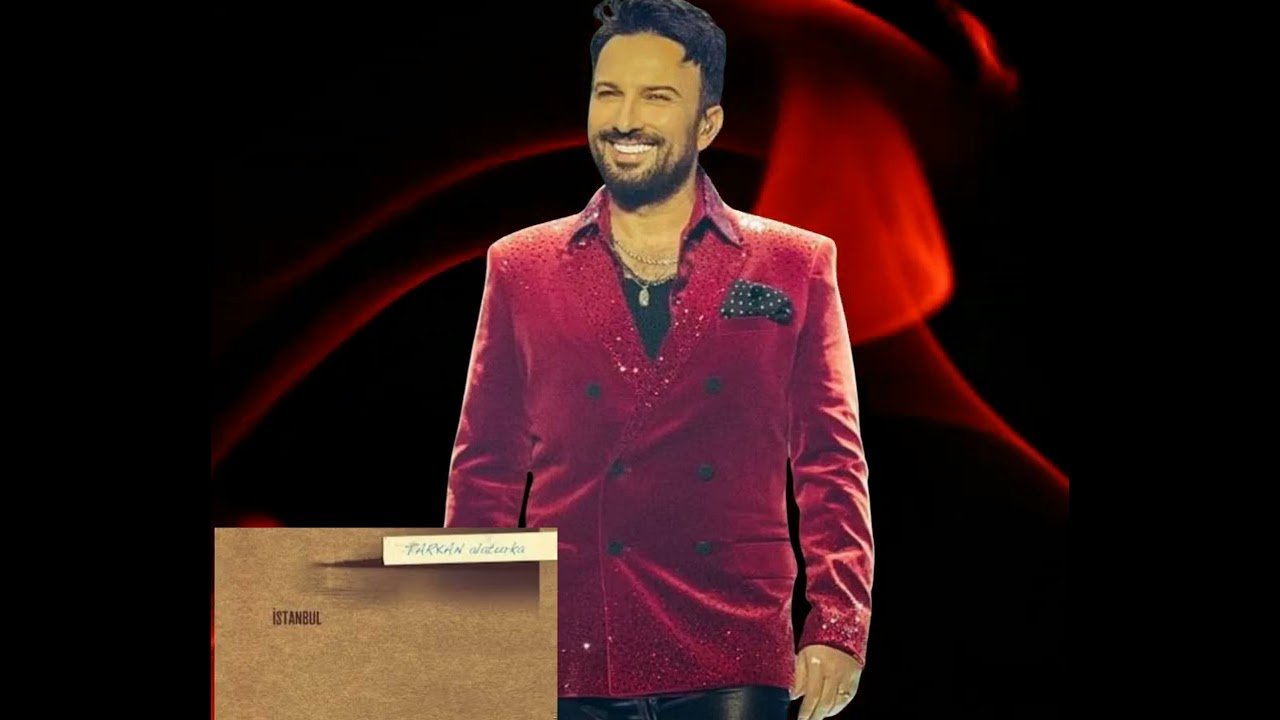
3. Lyric Analysis: Nostalgia and Music
The lyrics paint a picture of evening nostalgia and melancholy, using poetic images like sunset and stars to frame a deep inner turmoil. The desire for traditional music as a source of comfort is evident in the refrain, which invokes the traditional instruments and singers:
“Alaturka” (Translated Excerpt)
When the evening begins to descend, The color of the sunset Slowly grows dim. And it is precisely at that moment that the firmament begins to shine. I cried while smiling… Make the instruments play, Let them play tonight… Maestro, begin, “Alaturka” And pluck the strings of the Tanbur… So that the Hanendeler may sing out loud…
4. Additional Details: Glossary and References
The song pays homage to the rich history of Turkish classical music (Sanat Müziği) through the use of specific terms:
Alaturka: A Turkish word meaning “in the Turkish style” or “in the Turkish manner,” often referring to a traditional style, especially in music.
Tanbur: A long-necked lute of Oriental origin, a key instrument in Turkish classical music.
Hanendeler: Singers in traditional Ottoman/Turkish classical music.