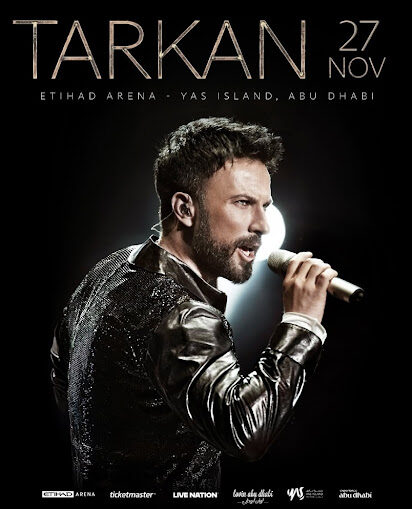
Tarkan’s Album Dünyayı sesiyle resmeden sanatçı. Her not, bir başyapıtThe artist who painted the world with his voice. Each note,
TARKAN: HIS VOICE AND GENIUS IN DISCOGRAPHIC COLLABORATIONS
Thank you for reading this post, don't forget to subscribe!Tarkan and Ozan Çolakoğlu: “Hadi Bakalım,” the Start of Turkish Pop.
1. Introduction: A Symbol of the ’90s
The track “Hadi Bakalım” (Come On, Let’s See), reinterpreted by Tarkan and included in Ozan Çolakoğlu’s album “01” (2012), is not just a successful collaboration, but a true symbol. The song is considered the origin of Turkish pop and the spark that ignited the pop music boom in the 1990s. The original was written by Aysel Gürel and composed and arranged by Onno Tunç.
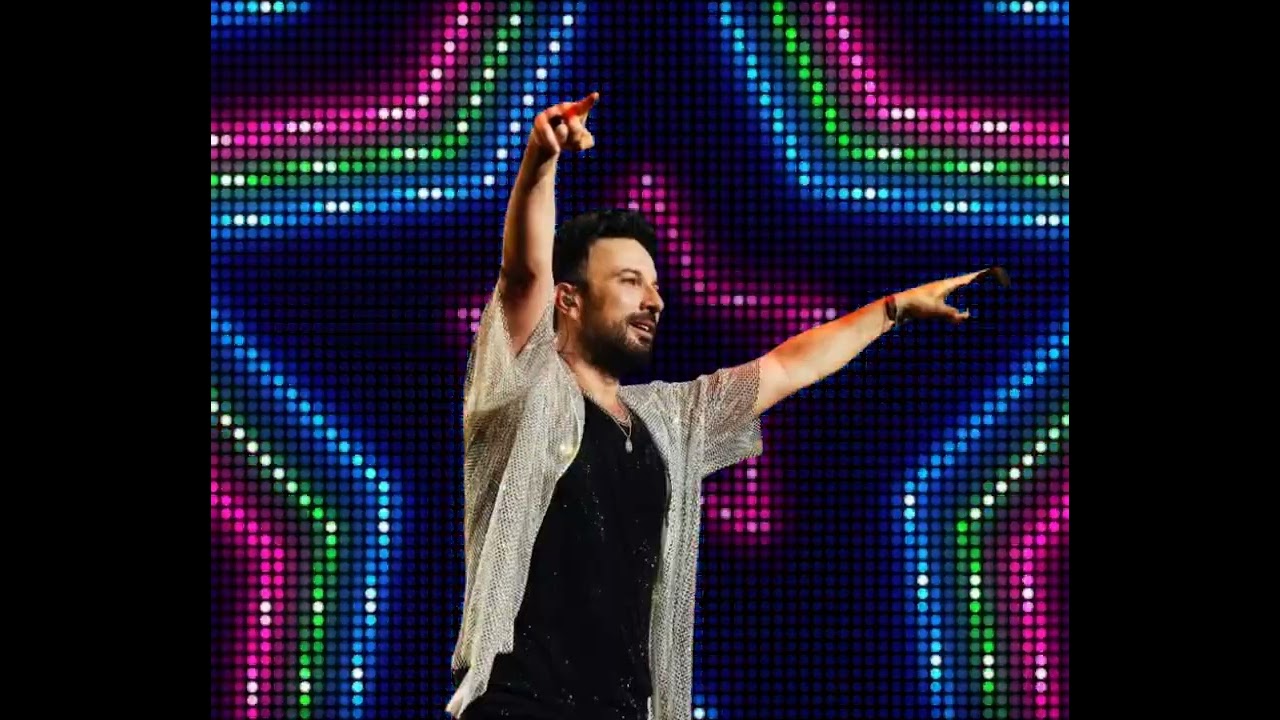
2. The Message of Self-Awareness and Resilience
The lyrics address the challenges of competition and the importance of self-awareness and resilience. It speaks of a chaotic and ambiguous environment, where appearance and superiority are sought, stressing the need to know oneself and be cautious. Tarkan himself expressed his affection for the track, stating: “Come on, I love it so much, it has been my dream for a long time.”
3. Lyric Analysis: Competition and Control
The track uses metaphors of racing and self-control to issue a warning about the risk of losing control in the confusion of competition:
“Hadi Bakalım” (Translated Excerpt)
Is our space limited or is our new work limited? What is the problem? Everyone who was wrong, who are they? Who are you? Who are they? Who is the greatest? Come on, Let’s See, good luck! It is a very difficult race. You know, you know that if you keep your mouth shut and have control of your life, then the boogeymen will eat you?
4. Additional Details: Credits and Cultural Significance
The mention of Hicaz (a maqam or modal scale in traditional music) in the lyrics also suggests a subtle link between modern pop music and classical Turkish roots.
“Hadi Bakalım” became one of the most popular tracks of the period, inspiring many artists and establishing the infrastructure of pop in the following years. The 2012 version featured several high-level musicians, including:
- Lyricist: Aysel Gürel
- Mastering: Levent Demirbas
- Percussion: Mehmet Akatay
- Backing Vocals: Cihan Okan, Gaye Biser, Sibel Gursoy
- The mention of Hicaz (a maqam or modal scale in traditional music) in the lyrics also suggests a subtle link between modern pop music and classical Turkish roots.